The answer to how much to move a piano long distance depends on the piano, route, access, equipment, and services needed. A small upright with easy entry usually needs a simpler plan than a grand piano moved through stairs, narrow halls, or distant delivery points. The final cost is confirmed on a quote after these details are reviewed.
Moving a piano is not like moving a sofa or boxes. Pianos are heavy, fragile, and hard to hold safely. Their weight can sit in a small area, which may put floors, walls, doors, and the instrument at risk.
Fort Walton Beach Movers helps homeowners, tenants, and business owners plan specialty moves throughout Fort Walton Beach and nearby communities. This includes Wright, Ocean City, Mary Esther, Destin, Niceville, and Shalimar. A clear plan can reduce delays, protect the piano, and give the crew the details needed for a useful quote.
Table of Contents
- How much does it cost to move a piano long distance?
- What piano details affect the moving cost?
- How does distance affect the cost of moving a piano?
- How do stairs, tight spaces, and access affect piano moving costs?
- What equipment and protection are needed for a long-distance piano move?
- What extra services can add to the cost of moving a piano?
- How can you prepare for a long-distance piano move?
How much does it cost to move a piano long distance?
The cost of a long-distance piano move depends on the work, risk, travel, and tools involved. It is usually planned apart from a normal household move. The piano may need special care from the first doorway to the final room.
Why piano moves are priced differently from standard household moves
A piano has delicate parts inside a strong but sensitive case. The outside may look solid, but sudden drops, hard turns, or poor support can harm the frame, keys, pedals, or finish. The crew must control the instrument while lifting, loading, driving, and unloading.
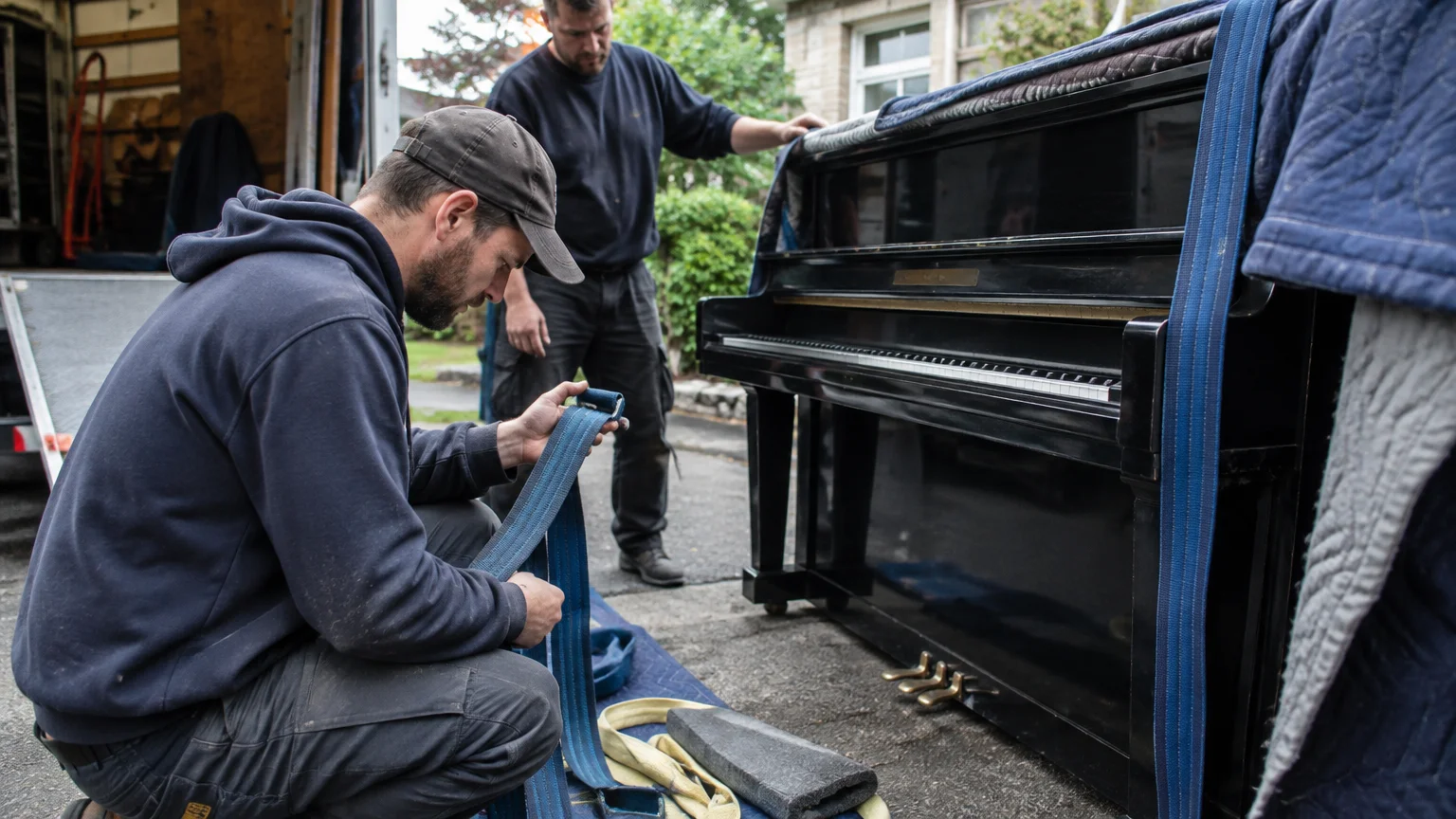
The crew may also protect floors and walls before moving the piano. This may include padding, floor runners, door covers, ramps, straps, and a piano board. The right plan depends on the instrument and the property. A company that moves normal furniture may not have the tools or skill needed for every piano.
The same piano can need a different plan at each address. A ground-floor home with a wide driveway may be simple. An apartment with a small lift, narrow hall, and limited parking may need more planning. These details explain why a quote is based on the job, not only on the miles.
How the final quote is confirmed for a specific piano and route
A mover often needs the piano type, size, condition, pickup address, delivery address, floor levels, stairs, lifts, and parking details. Photos and a short video can show doors, steps, halls, slopes, and tight turns. Complete information helps prevent changes later.
The quote should explain the planned work and any special services. Fort Walton Beach Movers can help Fort Walton Beach homeowners understand which details matter before they request a quote. The final cost is confirmed after the mover reviews the piano, route, access, and requested services.
What piano details affect the moving cost?
Piano type, size, weight, shape, condition, and value all affect the moving plan. A mover needs these details because each instrument has different lifting points, balance concerns, and protection needs.
How piano type, size, weight, and condition change the moving plan
An upright piano is often tall and narrow. A baby grand or grand piano has a wider body and may need its legs and pedals removed before transport. Some digital pianos are easier to move, but large cabinets still need careful lifting and protection.
Size also affects how a crew moves through a home. A piano may fit through the front door but fail to clear a sharp hall turn. Weight matters too. Heavy instruments need enough trained workers, strong straps, and a safe way to move between levels.
The piano’s condition is important. Loose parts, weak legs, damaged wheels, or an old finish may need extra care. Tell the mover about known damage before the crew arrives. This helps protect the owner and lets the crew choose a safer method.
Why unusually valuable, fragile, or antique pianos may need extra care
An antique piano may have delicate wood, old hardware, or a finish that marks easily. A valuable instrument may need more padding, careful packing, added checks, or a limited handling plan. Share any appraisal, repair record, or handling instructions before the move.
Owners should not remove inside parts or make major repairs before moving day. Simple steps are safe, such as clearing items from the piano and keeping pets away. Repairs, disassembly, and special packing should be handled by people with the right skills.
A clear description helps the moving company prepare the right crew. It also helps prevent a basic furniture plan from being used for a specialty item.
How does distance affect the cost of moving a piano?
Distance affects travel time, route planning, fuel use, delivery timing, and crew schedules. A long-distance piano move may cross state lines or use more than one delivery point. It therefore needs more planning than a short local move.
How mileage, travel time, and route planning influence the quote
The shortest route is not always the best route for a piano. A large truck may need roads with safe clearances, safe stops, and room to load or unload. Weather, road work, steep grades, and traffic may also affect the plan.
The mover may ask about pickup and delivery dates. They may also ask if other goods will travel with the piano and where it will wait during the move. A piano placed in storage may need a different protection plan than one delivered straight to a home.
Long-distance transport means the piano must stay secure while the truck moves. The crew needs to stop shifting, rubbing, and contact with other items. Ask how the piano will be protected and where it will be placed during transport.
Why long-distance scheduling and delivery coordination matter
A piano may need to arrive after flooring, furniture, or building work is done. If the destination is an apartment, office, school, or event space, the building may require a delivery window. Some properties also require proof of insurance, lift bookings, loading permits, or advance approval.
Review these details early. A missed delivery window can cause more handling and delay. A good plan names the pickup contact, delivery contact, parking area, building rules, and preferred room before moving day.
People searching for a moving company should compare more than travel distance. Look for a team that understands specialty items, long routes, loading limits, and delivery planning.
How do stairs, tight spaces, and access affect piano moving costs?
Access problems can change the number of workers, tools, and safety steps needed. Stairs, tight turns, soft ground, long walks, lifts, and limited parking can all make a piano move more complex.
Which access challenges require additional labour or specialised equipment
A piano moving team may use a piano board, heavy-duty straps, ramps, stair tools, padding, or lifting equipment. The right tool depends on the piano and property. A steep staircase may need a different method than two shallow front steps.
Tight spaces can be risky because the piano may need to turn while its weight stays controlled. Tell the mover about narrow doors, low ceilings, railings, and sharp corners before the quote. The crew may need to remove a door, protect a wall, or use another entry point.
Do not try to move a piano down stairs with friends. Even a short stairway can cause a serious fall or damage the home. Clearing loose items is a safe DIY task, but heavy lifting and hard access need trained movers.
Why measurements, parking, elevators, and building rules should be reviewed early
Measure the piano, doors, halls, gates, and stairs when possible. Photos should show the whole path, not just the piano. Include street steps, driveway slopes, gravel, grass, and areas where a truck may need to park.
Apartment and office moves need extra planning. The building may limit lift use, protect shared floors, or set delivery hours. A moving company may also need permission before using a service lift or loading area.
Fort Walton Beach Movers can review access details for moves and nearby communities. Sharing accurate information early helps the crew choose a route that protects the instrument and property.
What equipment and protection are needed for a long-distance piano move?
Long-distance piano moving may need padding, straps, ramps, piano boards, floor covers, and a truck that can secure the instrument. These tools support control during lifting and help reduce movement during transport.
How piano boards, padding, straps, ramps, and lifting equipment support safe transport
A piano board can support the instrument while the crew moves it through hard areas. Thick padding helps protect the finish and corners. Straps help control the piano, but they must be placed correctly so they do not harm sensitive parts.
Ramps may help with steps or changes in ground level. Floor runners can protect wood, tile, carpet, and finished concrete. Door and wall padding can reduce marks during tight turns.
The crew should inspect equipment before use. Worn straps, weak padding, or poor lifting tools can create avoidable risks. The best equipment depends on the piano and route, not on one fixed checklist.
Why loading, securing, and climate exposure can affect the moving plan
The piano must be placed so it cannot slide, tip, or rub against other cargo. It should have enough protection around exposed surfaces. Other items should not press against keys, pedals, legs, or the case.
Temperature and moisture can also matter. Quick changes may affect wood, glue, finishes, and inside parts. Ask how the piano will be protected during loading, travel, waiting, and delivery. The piano may also need time to settle before it is tuned after arrival.
Moving companies should explain who handles the piano and how it stays protected. Clear answers help owners compare plans without looking only at travel distance.
What extra services can add to the cost of moving a piano?
Extra services can increase the work involved in a piano move. These may include disassembly, reassembly, crating, storage, hoisting, special access work, and planning with another moving crew.
How disassembly, reassembly, crating, storage, and hoisting change the scope
A grand piano may need its legs, pedals, music desk, or other parts removed. The parts must be labeled, wrapped, and secured. Reassembly should be done by someone who understands the instrument and can check each part.
Crating may help protect a very delicate, valuable, or unusual piano. A crate adds protection but also needs planning, materials, and space. Storage adds another handling stage because the piano must enter storage and later leave for delivery.
Hoisting is sometimes considered when a piano cannot safely pass through doors or stairs. It requires a careful review of the building, window, balcony, weather, lifting path, and local rules. Never try it with ropes or household tools.
When tuning, insurance considerations, or coordination with other movers may be relevant
A piano may need tuning after a long trip because movement, temperature, and humidity can affect its sound. Tuning is separate from transport, so ask who will arrange it if needed.
Review coverage terms before moving day. Ask what protection applies during loading, transport, storage, and delivery. Valuable or antique instruments may need records that describe their condition and value.
If other movers handle household goods, both teams should know who moves the piano. Good planning helps prevent delays and keeps the piano from being placed in an unsafe spot. The piano should have its own plan, even when it travels with a full household load.
How can you prepare for a long-distance piano move?
The best preparation starts with accurate details and a clear path. Share piano measurements, photos, access notes, addresses, delivery timing, and known damage before requesting a quote.
What information and photos to provide before requesting a quote
A useful request should include the piano type, brand if known, size, condition, and current location. Photos should show the full instrument, legs or wheels, doors, stairs, halls, lifts, driveway, parking area, and final room.
Explain whether the piano will travel alone or with other goods. Mention storage, crating, hoisting, fragile finishes, building rules, and preferred delivery dates. These details help the mover understand the full job.
A written quote should match the information provided. If the route or access changes, the quote may need review. The final cost is confirmed after the mover checks the piano, locations, route, and requested work.
A practical checklist for protecting the piano, home, and delivery location
- Clear boxes, toys, rugs, plants, and loose items from the moving path.
- Keep children and pets away from the work area during loading and delivery.
- Tell the mover about weak floors, steep steps, narrow doors, and known damage.
- Reserve lifts, loading areas, parking spaces, and building access when needed.
- Confirm the destination room before the piano leaves the pickup location.
- Protect the piano from unapproved lifting, dragging, or do-it-yourself disassembly.
Simple preparation can reduce delays and protect the home. Owners can clear paths and share information themselves. Trained movers should handle lifting, securing, disassembly, and difficult access.
Frequently Asked Questions
Is moving a piano across the country different from moving it locally?
Yes. A cross-country move needs more route planning, travel coordination, secure loading, and delivery scheduling. The piano may wait with other household goods or enter storage. Local movers may handle shorter routes, while long-distance movers plan the full trip and delivery process.
How much will it cost to move a piano?
The answer depends on piano type, size, route, access, equipment, crew needs, and added services. Stairs, tight turns, long walks, crating, storage, and hoisting can change the work. A mover confirms the final cost after reviewing the item and both locations.
Can a piano move with the rest of a household?
A piano can sometimes travel with household goods, but it still needs separate protection and secure placement. Tell the moving company about the piano before the move. The crew can then plan loading order, padding, straps, space, and delivery handling.
Should a piano be tuned after a long-distance move?
It may need tuning after delivery because travel and changes in temperature or humidity can affect the instrument. Place the piano in its final room first. Ask a qualified piano technician when it is ready for tuning.
Do movers handle piano disassembly and reassembly?
Some movers can handle limited disassembly and reassembly. Others may suggest a piano technician for certain instruments. Ask what parts the crew handles and how small pieces are protected. Plan this work before moving day, not during a rushed pickup.
Key takeaways
- The piano, route, access, equipment, and added services drive the quote.
- Grand, antique, valuable, or damaged pianos may need a more detailed plan.
- Photos and measurements help review stairs, doors, halls, parking, and delivery space.
- Long-distance moves need secure loading, route planning, and delivery coordination.
- The final cost is confirmed after the mover reviews the piano and both locations.
Conclusion
Moving a piano long distance takes more than placing it inside a truck. The crew must plan the piano, property, route, equipment, protection, and delivery time as one job. Good information before moving day helps reduce surprises and protect the instrument.
Fort Walton Beach Movers can help homeowners, tenants, and business owners plan specialty moves. In Fort Walton Beach, a clear piano plan can make access and delivery easier to manage. Contact us to request a piano moving quote based on the piano, route, access, and services required.